Feeling the Heat? Let’s Talk About Menopause
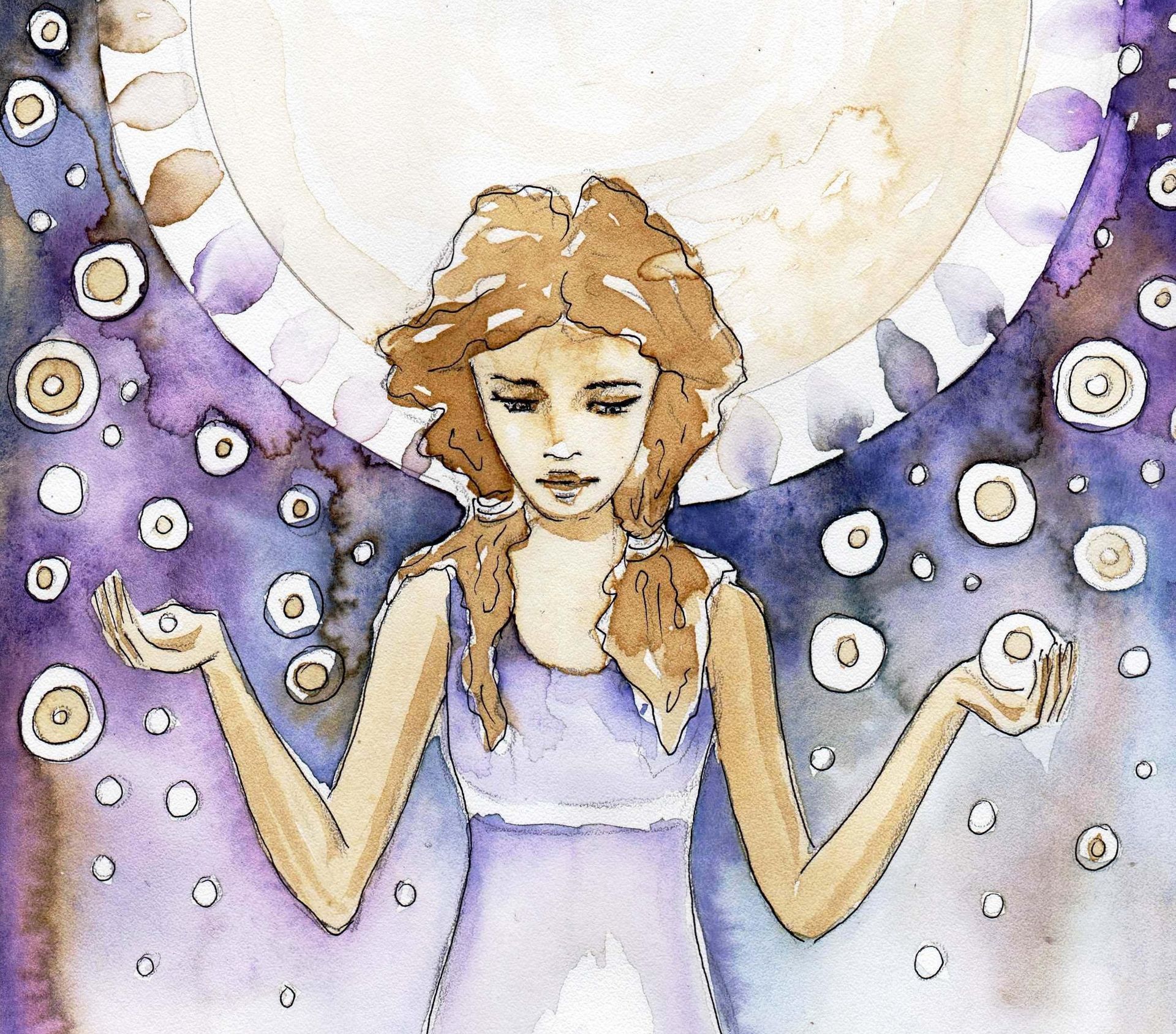
As I am currently immersed in the FIRE months at My Retreat, it seemed like an appropriate time to talk about another kind of heat entirely…
The sudden, internal, why is nobody else in this room boiling? kind 🔥
Hot flushes and night sweats may be the best-known signs of menopause, but they are only part of a much bigger picture.
Menopause can affect how we sleep, think, feel and function, and sometimes the symptoms begin long before we realise what is happening.
I know this not only through my qualifications in Menopause Massage and as a Menopause Holistic and Wellbeing Practitioner, but through personal experience too.
And, in all honesty, I am still working on it.
Menopause Is About More Than Hot Flushes
Perimenopause is the time leading up to menopause, when hormone levels begin to fluctuate. Menopause itself is reached when you have not had a period for 12 months, but symptoms can continue into postmenopause and may change over time.
Some women experience only a few mild changes. For others, the effects can reach into almost every part of life.
Symptoms can include:
- hot flushes and night sweats
- disrupted sleep and exhaustion
- brain fog, forgetfulness and difficulty concentrating
- anxiety, low mood or changes in mood
- irritability or feeling overwhelmed
- headaches or migraines
- aching muscles and joints
- heart palpitations
- changes in weight or body shape
- dry, itchy or more sensitive skin
- vaginal dryness or discomfort
- reduced libido
- changes to periods during perimenopause
- a loss of confidence or a feeling of no longer being quite yourself
Sleep problems can also make difficulties with mood, memory and concentration feel even worse, creating a cycle that can be hard to escape.
It can be particularly confusing when several seemingly unrelated symptoms arrive at once.
Women are often trying to manage careers, families, ageing parents, relationships and all the usual demands of life at the same time.
No wonder it can feel overwhelming.
My Best Practical Menopause Strategies
There is no single solution that suits every woman. What helps one person may make little difference to another, which is why it is so important to begin noticing your own symptoms, patterns and triggers.
These are some of the most helpful strategies I have discovered, both professionally and personally.
Keep a Menopause Journal
This is one of my biggest recommendations.
It is difficult to remember accurately how often something has happened, how long it lasted or what else was going on at the time, especially when brain fog is one of the symptoms you are trying to explain!
Record things such as:
- hot flushes and night sweats
- sleep quality
- headaches or migraines
- mood and anxiety
- energy levels
- periods or spotting
- food and alcohol
- stress levels
- movement and exercise
- any medication or supplements
- anything you think may have triggered or improved a symptom
Over time, you may begin to see patterns.
A journal also gives you clear information to take to your GP or another menopause specialist. Instead of simply saying, “I don’t feel right,” you can explain what has been happening, how frequently and how it is affecting your daily life.
Cut Out, or Dramatically Reduce, Alcohol
I know this is not always the most popular advice!
However, alcohol can trigger or intensify hot flushes for some women. It can also contribute to headaches, mood changes, weight gain and disrupted sleep, even when it initially makes you feel sleepy.
Cutting it out gives you the clearest opportunity to notice whether your symptoms improve.
You do not necessarily need to decide what you will do forever. Try treating it as an experiment, record the results in your journal and see how your body responds.
Reduce Sugar
Reducing sugar has also been one of my most useful personal strategies.
Sugary foods can create a quick rise and fall in energy, which is not especially helpful when you are already dealing with fatigue, disrupted sleep, mood changes or food cravings.
Rather than seeing it as deprivation, focus on meals that leave you feeling nourished and steady, with plenty of vegetables, protein, fibre and satisfying whole foods.
Again, notice your own response. Your journal may help you see whether reducing sugar changes your energy, cravings, sleep, headaches or mood.
Dress in Layers
Simple, but very effective.
Layers allow you to quietly remove or replace clothing as your temperature changes, rather than feeling trapped in one thick outfit while internally combusting!
Lightweight, breathable fabrics can be particularly helpful.
At night, try lighter bedding, a cooler bedroom, a fan or a cold drink nearby. Having something cool within reach can make those sudden night-time temperature changes a little easier to manage.
Look After Your Nervous System
Stress does not cause menopause, but it can make some symptoms feel much harder to manage.
When your body is already tired and overstimulated, even minor demands can feel enormous.
Gentle movement, regular exercise, time outdoors, breathing practices, massage, relaxation and protecting periods of genuine rest may all help you feel more grounded.
You do not need to create a perfect wellbeing routine. Begin with small things you can repeat.
A ten-minute walk, a few slower breaths, going to bed slightly earlier or saying no to one unnecessary demand all count.
Seek Medical Support When You Need It
Lifestyle changes can be very supportive, but you do not have to manage significant symptoms alone.
Speak to your GP or an appropriately qualified healthcare professional about symptoms that are troubling you, interfering with daily life or causing concern.
They can discuss medical treatments and help you consider what may be suitable based on your symptoms, preferences and medical history.
Do not assume every new symptom is “just menopause” either. It is always sensible to seek medical advice about unusual, severe or persistent changes.
A Full Day to Pause, Understand and Rebalance
Sometimes what you need is not another quick tip, but enough time and space to properly explore what is happening.
My
Woman’s Full Day Rebalance is a complete six-hour experience, including lunch, created to support women experiencing perimenopause and menopause.
The first part of the day gives us time to focus entirely on you.
Drawing upon my professional qualifications and my own lived experience, we explore your symptoms, patterns and priorities, alongside practical strategies that may help with concerns such as:
- hot flushes
- sleep difficulties
- managing stress
- memory problems
- feeling more present
- reconnecting with yourself
Following a balanced and nutritious salad, the second half of the day is your complete
three-hour Woman’s Rebalance Experience.
This is a deeply nurturing, hands-on treatment created to soothe the body, calm the nervous system and give you the opportunity to fully rest.
The full day is not about claiming to “fix” menopause.
It is about giving you time to understand your individual experience, identify supportive changes and then receive the kind of restorative care that so many women rarely make time for.
Next Week: Cooling and Comforting Support
In next week’s blog, I will be looking at some of the products and treatments that may offer a little extra cooling, soothing and comfort during menopause.
I will also be sharing simple ways to use them at home, at work and during the night, when your internal thermostat decides it has plans of its own.
You Are Not Losing Yourself
Menopause can sometimes make you feel as though the person you used to be has disappeared beneath tiredness, anxiety, brain fog and shifting emotions.
But you are still there.
You may simply need different support, different strategies and a little more compassion for yourself than you have been allowing.
And perhaps fewer glasses of wine, less sugar and several carefully chosen layers…
But we will take it one step at a time.
Love, Julia 🤍
share this
SIGN UP TO OUR NEWSLETTER
GET ACCESS TO EXCLUSIVE OFFERS AND LATEST NEWS
Sign up for our Heartbeat monthly newsletter and keep your finger on the pulse of everything that’s happening at My Retreat, in person and online.
Contact Us
We collect your email address so we can send our newsletter. For more information, please see our Privacy Policy.